

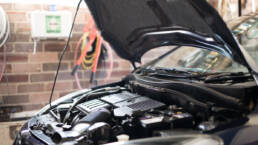
Your transmission is one of the hardest working parts of your vehicle, shifting gears thousands of times on every drive without you giving it much thought. That is, until something feels off. Slipping gears, strange noises, or a delay when you shift into drive can all be signs that your transmission needs attention. Ignoring these symptoms often turns a manageable repair into a much bigger, more expensive problem down the road, and in some cases can leave you stranded without warning.
In this guide, we will walk through the most common signs of transmission trouble, what typically causes these issues, how we approach the decision between repair and replacement, and what our repair process looks like from start to finish. Whether you drive a daily commuter or a vehicle that sees a lot of stop-and-go traffic around Littleton, understanding your transmission can help you catch problems early and keep your car running smoothly for years to come.
Common Signs of Transmission Trouble in Littleton, CO
 Transmission problems rarely show up out of nowhere. In most cases, your vehicle gives you warning signs well before a small issue becomes a major repair. Knowing what to watch for can save you time, money, and stress down the road.
- Gears that slip or seem to shift on their own while driving
- A delay or hesitation when shifting from park into drive or reverse
- Grinding, whining, or clunking noises during gear changes
- A burning smell, which often points to overheated transmission fluid
- Fluid spots under your vehicle where you normally park
- A transmission or check engine warning light on your dashboard
- Rough or jerky shifting between gears, especially at lower speeds
If you notice any of these symptoms, it is worth having your vehicle looked at sooner rather than later. Transmissions are complex systems, and small issues with fluid pressure, sensors, or internal components can escalate quickly if left unaddressed. A transmission that slips occasionally today can fail to engage at all within a matter of weeks if the underlying cause is not identified. Our auto repair and maintenance team can help diagnose what is going on before it turns into a bigger repair bill.
What Typically Causes Transmission Problems
Understanding what leads to transmission issues can help you prevent them in the first place. While every vehicle is different, most transmission problems fall into a few common categories.
Low or Contaminated Fluid
Transmission fluid lubricates internal components, helps regulate temperature, and allows for smooth gear changes. When fluid levels drop or the fluid becomes dirty or breaks down over time, your transmission has to work harder, which leads to increased wear and eventual damage. Fluid that has turned dark or has a burnt smell is usually a sign that it has broken down and is no longer protecting internal components the way it should. This is one of the most common and most preventable causes of transmission trouble we see.
Everyday Wear from Local Driving Conditions
Stop-and-go traffic, frequent hill driving, and towing all place extra strain on your transmission. Drivers around Littleton often deal with a mix of highway commuting and neighborhood traffic, both of which contribute to gradual wear on internal components over time. Elevation changes and mountain routes in particular can cause a transmission to shift more frequently and work harder than it would on flatter, more consistent roads, which adds up over the life of a vehicle.
Sensor and Electronic Control Issues
Modern transmissions rely on sensors and computer modules to determine exactly when and how to shift. A faulty sensor or wiring issue can cause your transmission to shift incorrectly, even if the mechanical components themselves are in good condition. This is one reason accurate diagnostics matter so much. Replacing a sensor is a far simpler and less expensive repair than rebuilding a transmission, but the two can present with very similar symptoms, which is why a proper diagnostic scan is such an important first step.
Age and Overall Mileage
Like any mechanical system, transmissions naturally wear down over time. Internal seals can harden, clutch packs can wear thin, and components that were once tightly fitted can develop small amounts of play. None of this means a transmission needs to be replaced right away, but it does mean that older, higher mileage vehicles benefit from more frequent inspection, particularly if the vehicle has not had regular fluid services throughout its life.
Overheating
Transmissions generate a significant amount of heat during normal operation, and that heat is managed through fluid circulation and, in many vehicles, a dedicated cooling system. Towing heavy loads, driving in stop-and-go traffic during warm weather, or a failing cooling component can all cause a transmission to run hotter than it should, which accelerates wear on internal seals and clutch materials over time.
Repair vs. Replacement: How We Decide
One of the most common questions we hear is whether a transmission needs to be repaired or replaced entirely. The answer depends on several factors, and we walk through each one carefully before recommending a path forward.
Our Diagnostic Process
We start by inspecting fluid condition, checking for leaks, and running diagnostic scans to identify any stored error codes. This helps us pinpoint whether the issue is related to fluid, a specific component, or a more significant internal failure. We also take your vehicle’s history into account, including mileage, previous repairs, and how the vehicle is typically driven.
When Repair Makes Sense
If the problem is caught early, such as a fluid leak, a failing sensor, or a worn seal, a targeted repair is often enough to resolve the issue and get you back on the road without a major expense. Many transmission issues fall into this category, especially when drivers bring their vehicle in as soon as they notice a symptom rather than waiting.
When Replacement Is the Better Investment
If internal components have sustained significant damage, or if the cost of repeated repairs starts to approach the cost of a rebuilt or replacement transmission, we will let you know. In these cases, continuing to pay for individual repairs can end up costing more over time than addressing the transmission as a whole. Our goal is always to give you an honest recommendation based on your vehicle’s condition and your budget, not to push unnecessary work.
Our Transmission Repair Process
When you bring your vehicle to us for transmission concerns, we follow a clear process designed to identify the issue accurately and keep you informed every step of the way.
- Initial consultation to discuss the symptoms you have noticed
- Full diagnostic inspection, including fluid checks and computer scans
- A clear explanation of what we found and what repair options are available
- Transparent pricing before any work begins
- Careful repair or replacement work completed with attention to detail
- A final check to confirm smooth shifting before your vehicle is returned
We know transmission issues can feel overwhelming, especially if you are not sure how serious the problem is. Our team focuses on clear communication so you always understand what is happening with your vehicle and why we are recommending a particular repair. We also take the time to answer questions along the way, since a transmission repair can feel like a big decision and we want you to feel confident in it.
What Transmission Repair Typically Involves
Transmission repair costs and timelines vary widely depending on the type of issue and the make and model of your vehicle. A simple sensor replacement or fluid service can often be completed in a matter of hours, while more involved internal repairs naturally take longer and involve more labor. We always provide a clear estimate before starting any work, so there are no surprises once the repair is underway.
It is also worth understanding that not all transmission repairs are equal in scope. Some repairs address a single component, such as a solenoid or seal, while others involve rebuilding a larger portion of the transmission’s internal system. Part of our diagnostic process is determining exactly how much work is actually needed, rather than defaulting to the most extensive repair option. This approach helps keep costs reasonable while still addressing the root cause of the problem.
Why Littleton Drivers Trust Us for Transmission Care
Transmission repair is not something most drivers deal with often, which makes it especially important to work with a shop that communicates clearly and explains things in a way that actually makes sense. Our team has years of experience diagnosing and repairing transmissions across a wide range of vehicle makes and models, from daily commuter cars to larger vehicles that see heavier use.
We understand that a transmission issue can be stressful, both because of the potential cost and because a vehicle that will not shift properly is not one you want to keep driving. That is why we prioritize fast, accurate diagnostics and straightforward communication throughout the repair process. Our goal is to help you understand exactly what your vehicle needs, walk you through your options, and get you back to reliable driving as quickly as possible, without cutting corners along the way.
Keeping Your Transmission Healthy: A Quick Maintenance Checklist
Many transmission problems can be delayed or avoided altogether with routine attention. Here is a simple checklist to help keep your transmission in good shape between visits.
- Have your transmission fluid checked at recommended service intervals
- Address any leaks as soon as you notice them, rather than waiting
- Pay attention to unusual noises or shifting delays rather than waiting them out
- Avoid excessive towing beyond your vehicle’s rated capacity
- Keep up with general vehicle maintenance, since related systems like engine cooling can affect transmission performance
- Have your transmission inspected any time you notice a change in how your vehicle shifts
Staying ahead of small issues is almost always less expensive and less stressful than waiting until a problem becomes severe. If it has been a while since your transmission was inspected, now is a good time to schedule a check, even if nothing feels obviously wrong yet.
Schedule Transmission Service in Littleton, CO Today
If you have noticed slipping gears, unusual noises, or any of the warning signs we covered above, our team is ready to help. We offer thorough transmission repair services for drivers throughout Littleton and the surrounding Colorado communities, backed by honest diagnostics and clear communication from start to finish.
Our Littleton location is ready to get your vehicle back to smooth, reliable shifting. Request an Appointment today and let our team take a closer look at what your transmission needs.

We will repair your vehicle with competence and consideration! Let us get the job done right for you the first time and take the stress out of auto body repairs!
Like this article? Spread the word!
Related Posts

How to Tell If Your Car Needs Brake Repair
Squealing brakes or a soft pedal? Learn the warning signs of brake trouble and when to…

How Often Should You Get Your Car Serviced in Littleton?
Wondering how often to service your car in Littleton, CO? Get a full maintenance timeline…

Premium Automotive in Denver: How to Protect Your Vehicle from December’s Harsh Weather
Protect your vehicle from Denver’s harsh December weather with expert tips from Premium…