

Your windshield does more than block wind and rain while you drive. It supports part of your vehicle’s roof structure, helps your airbags deploy the way they’re designed to, and gives you a clear, unobstructed view of the road ahead. In Aurora, hailstorms, road debris, and wide temperature swings between summer heat and winter cold all put extra stress on auto glass throughout the year. Small problems that seem harmless today, a tiny chip, a faint haze, a slow leak around a seal, can turn into safety hazards or expensive repairs if they’re ignored for too long. Because a lot of glass damage develops slowly, it’s easy to get used to a small imperfection and stop noticing it, right up until it turns into a crack that runs across your entire field of view. Below are seven auto glass issues Aurora drivers should keep an eye on, along with why it pays to address each one early rather than waiting until a minor issue becomes a much bigger, costlier one.
Cracks That Start Small and Spread Fast
Rock Chips and Stone Impacts
Gravel and loose road debris kicked up by traffic can leave a small chip in your windshield glass before you even realize it happened. A chip smaller than a quarter can usually be repaired quickly if it’s caught early, often in less time than a routine oil change. Left untreated, though, that chip collects dirt and moisture, and Colorado’s freeze-thaw cycles make the problem worse. When moisture trapped inside a chip freezes overnight, it expands and pushes the damage outward, and what could have been a simple resin repair turns into a full auto glass replacement. Even chips that look purely cosmetic at first can weaken the surrounding glass enough that a pothole or a slammed door is all it takes to send a crack running.
Temperature-Driven Crack Spread
Aurora’s wide temperature swings, a warm afternoon followed by a cold, clear night, cause windshield glass to expand and contract more than most drivers realize. Any existing weak point, whether it’s a small chip or a hairline crack you’ve been putting off, becomes the spot where the glass eventually gives way. Pouring hot water on an icy windshield speeds this process up considerably, so it’s worth avoiding altogether, even when you’re in a hurry. Getting small chips checked before the next big temperature swing rolls through can save you from needing a full replacement later in the season.
Damage That Compromises Safety
Pitting and Hazing from Sand and Road Debris
Sand and de-icing materials used on Aurora roads throughout winter create fine pitting across the surface of your windshield over time, even if you never notice a single impact. This pitting scatters light from oncoming headlights and streetlamps, creating a hazy glare that makes nighttime driving noticeably harder, especially on unfamiliar roads. Because it builds up gradually, many drivers don’t notice the loss of clarity until visibility has already become a real concern behind the wheel. A quick way to check is to run your wipers on a dry windshield during the day and look closely for a dull, frosted texture rather than a smooth, glossy surface.
Weak or Failing Seals
The seals around your windshield and windows keep water and outside air from working their way into the cabin. If a seal ages, dries out, or was installed incorrectly during a past repair, moisture can seep in gradually. Over time that can lead to persistent fogging, musty odors, or even rust forming around the frame beneath the glass, which is a much bigger repair than the seal itself. If you notice water intrusion after a rainstorm, a car wash, or even just a heavy dew, it’s worth having the seals inspected before the damage has a chance to spread to the surrounding metal. Catching a failing seal early is usually a quick, inexpensive fix, while ignoring it can eventually mean replacing rusted trim or panels.
Structural and Sensor-Related Issues
ADAS Camera and Sensor Calibration Issues
Many newer vehicles have cameras and sensors mounted near the windshield to support features like lane-keeping assist, automatic emergency braking, and adaptive cruise control. A crack in the glass, or a replacement that isn’t calibrated correctly afterward, can throw these systems off in ways that aren’t always obvious right away. That means a safety feature you rely on every single day might not respond the way it’s supposed to in an emergency. Professional recalibration after any windshield replacement is essential, not an optional add-on, especially for vehicles that lean heavily on driver-assist technology. Skipping this step can leave a system that appears to work normally on the surface while actually misjudging distance or lane position by just enough to matter.
Edge Cracks Near the Frame
Cracks that start near the edge of the windshield, close to where the glass meets the frame, tend to spread faster than cracks that begin in the middle of the glass. They can also affect the structural support the windshield provides to your vehicle’s roof, which matters more than most drivers think about day to day, particularly in a rollover situation. Because of this, edge cracks usually call for a full replacement rather than a simple repair, even when the crack itself still looks fairly small and manageable. A technician can often tell within a few minutes of inspection whether a crack’s location puts it in this higher-risk category.
Chipped or Cracked Side and Rear Windows
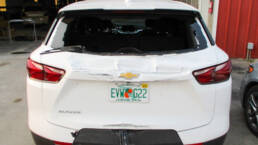
It’s easy to focus entirely on the windshield and overlook side and rear windows, but they take on plenty of damage too, from road debris, shifting cargo, or a fender impact during a minor collision. Cracked side glass can also compromise the strength of the door frame if you’re ever in an accident down the road, since many vehicles rely on tempered side glass as part of their overall crash structure. If you’ve had recent auto body repair work done after an incident, it’s a smart idea to have your glass checked at the same time, since damage in one area can sometimes point to stress elsewhere on the vehicle. This is especially true for rear windows on hatchbacks and SUVs, where the glass plays a role in the overall body strength.
What Auto Glass Repair and Replacement Typically Involves
If you’ve never had a windshield replaced before, the process is more straightforward than most drivers expect. It usually starts with a quick inspection to determine whether the damage can be repaired with a resin injection or whether the glass needs to come out entirely. From there, a shop will walk you through pricing, timeline, and whether your insurance is likely to cover part or all of the cost, since many policies treat glass claims differently than collision claims. Replacement itself typically takes a few hours, followed by a curing period before the vehicle is safe to drive on the highway again. If your vehicle relies on ADAS features, plan on extra time for calibration afterward, since rushing that step defeats the purpose of having it done professionally in the first place. Fleet vehicles and commercial vans follow a similar process, just with scheduling built around minimizing downtime for the business.
Why Professional Repair Beats DIY Fixes
It’s tempting to grab a windshield repair kit from an auto parts store and handle a small chip yourself over the weekend. For very minor damage, that can work as a short-term measure, but DIY kits often can’t match the strength or clarity of a professional resin injection, and a repair that looks fine on the surface may not actually stop a crack from spreading underneath. This matters even more for chips located near the edge of the glass or directly in your line of sight, where a slightly uneven repair can distort your view of the road. Professional repair also gives you documentation of the work, which can matter later if you file an insurance claim or if the damage resurfaces down the line. For anything involving sensors, cameras, or a fully cracked pane, a shop with the right calibration equipment isn’t just the safer choice, it’s often the only way to restore the glass to factory standards.
When to Get Your Auto Glass Inspected

Not every mark on your glass needs immediate attention, but a handful of signs mean it’s time to schedule an inspection sooner rather than later. Keeping a mental checklist makes it easier to catch these issues before they turn into something more serious:
- A chip larger than a quarter, or any crack longer than a few inches
- Cracks that start or end near the edge of the windshield
- Visible haze or glare that makes nighttime driving noticeably harder
- Fogging, musty smells, or water intrusion after rain or washing
- Dashboard warning lights related to lane-assist or collision-avoidance systems
- Any glass damage that occurred around the same time as recent collision repair work
Aurora’s hail seasons add another layer to this list. If you’ve been through a recent storm, it’s worth reading through our guide on hail damage repair in Aurora for a closer look at how hail affects more than just the body panels on your vehicle. Glass damage from hail is common, but it’s often less visible than a dented hood, so it tends to get overlooked until it’s already spread.
Get Your Auto Glass Checked Before Small Damage Becomes a Bigger Problem
A small chip or crack rarely fixes itself, and in Aurora’s climate, it usually gets worse before it gets better. Our Aurora auto body shop inspects your glass, walks you through your repair or replacement options in plain language, and coordinates with your insurance provider when needed, so you’re not left guessing about cost or timeline. We know it’s easy to put off a small chip when it doesn’t seem urgent, but catching it early is almost always the faster and less expensive path. Whether it’s a single rock chip you’ve been putting off or a full windshield replacement after a bigger impact, we’ll help you get back to driving with clear, safe visibility as quickly as possible. Request an Appointment today and let us take a look before that small crack turns into a much bigger repair down the road.

We will repair your vehicle with competence and consideration! Let us get the job done right for you the first time and take the stress out of auto body repairs!
Like this article? Spread the word!
Related Posts

How to Tell If Your Car Needs Brake Repair
Squealing brakes or a soft pedal? Learn the warning signs of brake trouble and when to…

DIY Oil Change vs. Professional Service: Which Is Worth It?
Comparing DIY vs. professional oil changes? See the cost, time, and risk trade-offs.…

How Often Should You Replace Your Car Battery?
Find out how long car batteries last and when to replace yours. Get it tested by Premium…