

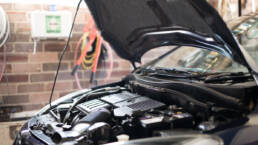
Engine trouble rarely announces itself all at once. It usually starts small, a faint knock, a slightly rough idle, a dashboard light that flickers and then goes away, and it’s easy to put off dealing with it until the problem gets loud enough to demand attention. By then, what could have been a simple fix often turns into something more involved and more expensive. We put this guide together to help Aurora drivers understand the warning signs, the repair process, and what to expect when it’s time to bring a vehicle in for engine repair, whether that’s a quick diagnostic check or a more significant repair.
Common Signs Your Engine Needs Attention
Most engine problems give some kind of warning before they become serious, even if that warning is easy to miss during a busy week of driving around Aurora. Learning to recognize these signs early is one of the simplest ways to keep a small issue from turning into a major repair bill, and it doesn’t require any special expertise, just a bit of attention to how your vehicle normally sounds and feels.
Warning Signs to Watch For
- A check engine light that stays on, flickers, or comes and goes
- Rough idling, stalling, or hesitation when accelerating
- Unusual knocking, ticking, or grinding noises from under the hood
- A noticeable drop in fuel efficiency without a clear reason
- Visible smoke from the exhaust, especially blue or white smoke
- A burning smell or fluid leaking underneath the vehicle
Any one of these on its own might not mean a major repair is coming, but ignoring several at once is usually how a minor issue turns into a much larger one. A rough idle paired with a drop in fuel efficiency, for example, often points to something more specific than either symptom alone would suggest, and catching that combination early can save a lot of guesswork and expense later.
What Our Engine Repair Process Looks Like
We built our process around clear communication, since engine trouble is stressful enough without also feeling confused about what’s happening to your vehicle or why a repair costs what it does.
Diagnostic Inspection
Every engine repair starts with a thorough inspection at our Aurora shop, checking for diagnostic codes, unusual sounds, and signs of wear across major components. This gives us a clear picture of what’s actually happening before we recommend any work, rather than guessing based on symptoms alone. Modern engines rely heavily on sensors and onboard computers, so a proper diagnostic scan often reveals information that wouldn’t be obvious just from listening to the engine or taking it for a test drive.
Straightforward Estimates
Once we know what’s going on, you’ll get a clear estimate and explanation in plain language, not technical jargon that leaves you more confused than when you walked in. Minor issues like a worn sensor might need a quick fix, while more significant problems call for a bigger conversation about your options, including what happens if a repair is deferred versus handled right away. We’d rather walk through those tradeoffs honestly than surprise you with unexpected costs partway through a job.
Repair and Quality Checks
Our technicians use proven techniques and modern diagnostic equipment to complete the work, whether that’s addressing a specific component or a more involved repair like a partial rebuild. Before your vehicle leaves our shop, it goes through a final quality review to confirm the issue is actually resolved, not just masked temporarily, and we’ll walk you through what was done and what to expect going forward.
How Engine Repair Connects to Other Services
Engine performance rarely exists in isolation from the rest of your vehicle’s systems, which is why a full inspection sometimes uncovers issues beyond the engine itself. A vehicle that feels sluggish or unreliable is often dealing with more than one thing at once, even if only one symptom is obvious from the driver’s seat.
Related Services Worth Knowing About
- Oil changes reduce wear on internal engine components and are one of the simplest ways to prevent bigger problems down the road, since clean oil is what keeps moving parts from grinding against each other over time
- Transmission repair addresses issues that can sometimes present with symptoms similar to engine trouble, like hesitation or rough shifting, which is why an accurate diagnosis matters before assuming the engine itself is at fault
- Battery replacement ensures your engine’s electrical systems get consistent, reliable power, since a weak battery can cause starting issues that feel a lot like engine trouble even when the engine itself is fine
- Brake repair keeps your vehicle safe overall, especially when engine issues affect how it handles or responds to sudden changes in speed
If a diagnostic inspection turns up something outside the engine itself, we’ll walk you through it clearly rather than tacking on unrelated work without explanation. Our goal is always to fix what’s actually wrong, not to run up a bill with services your vehicle doesn’t need.
Addressing Common Concerns About Engine Repair

A lot of drivers hesitate before bringing a vehicle in for engine work, usually because of a few recurring worries that come up again and again in conversations with customers.
Concerns We Hear Most Often
- Cost uncertainty: We provide clear, upfront estimates before any work begins, so you know what you’re agreeing to before we ever pick up a tool.
- Repairs that don’t actually fix the problem: Our diagnostic process is built to identify the real cause, not just the most obvious symptom, so you’re not paying for a repair that doesn’t address what’s actually wrong.
- Downtime: We offer flexible scheduling designed to minimize how long your vehicle is out of commission, since we know most Aurora drivers can’t afford to be without a car for long.
- Long-term reliability: Our repairs are backed by a warranty on parts and labor, giving you confidence the fix will hold up rather than needing to be redone a few months later.
If you’ve had a frustrating repair experience somewhere else in the past, a slow diagnosis, a surprise bill, or a fix that didn’t actually solve the problem, we understand why that makes it harder to trust a new shop. Clear communication from the first phone call is how we try to earn that trust back.
How Aurora’s Climate Affects Engine Performance
Colorado’s weather puts its own kind of stress on engines throughout the year. Summer heat can push cooling systems harder than they’re used to, especially on older vehicles or ones already running low on coolant. Winter cold makes engines work harder just to start, and thick, cold oil doesn’t circulate as quickly as it should until the engine warms up, which is part of why cold starts cause more wear than most drivers realize. Altitude plays a role too, since engines tuned for lower elevations can run slightly differently at Aurora’s elevation, particularly older vehicles without modern engine management systems that adjust automatically. None of this means your engine is doomed to more problems just because you live here, but it does mean routine maintenance matters a bit more in Colorado than it might in a milder climate, and skipping it tends to catch up with a vehicle faster than drivers expect.
Repair or Replace? Knowing When It’s Time for a Bigger Decision
Most engine issues are addressed with a targeted repair, replacing a failed sensor, fixing a leak, or addressing a specific worn component. Occasionally, though, a vehicle reaches a point where a major repair, like a significant rebuild, costs close to what the vehicle itself is worth. When that happens, it’s worth having an honest conversation about the numbers rather than assuming a repair is automatically the right call just because it’s cheaper than a new car payment. Mileage, overall condition, and how much longer you plan to keep the vehicle all factor into that decision, and there’s rarely a single right answer that applies to every situation. We’ll always tell you where that line sits for your specific vehicle, based on its age, mileage, and overall condition, rather than pushing a repair that doesn’t make financial sense for you in the long run.
Engine Repair Checklist Before You Book an Appointment
If you’re noticing engine trouble and aren’t sure whether it’s time to schedule service, this quick checklist can help you decide:
- Has a warning light been on for more than a day or two?
- Have you noticed new noises, smells, or smoke that weren’t there before?
- Has fuel efficiency dropped noticeably over the last few weeks?
- Is the issue affecting how confidently you can drive the vehicle day to day?
If you answered yes to any of these, it’s worth having your vehicle looked at soon rather than waiting to see if the symptom goes away on its own. Engine issues rarely resolve themselves, and in most cases, the longer a symptom persists, the more it costs to fix once you finally do bring it in. Our Aurora auto repair shop serves drivers and small businesses throughout the area, and we’re glad to take a look even if you’re not sure yet whether it’s a major issue or a minor one.
Schedule Your Engine Repair in Aurora Today
Engine trouble tends to get more expensive the longer it’s ignored, but catching it early usually means a simpler, less costly fix. At Premium Automotive, we combine straightforward communication with skilled technicians and modern diagnostic tools to get Aurora drivers back on the road with confidence. Whether you’re dealing with a warning light that won’t go away or a noise you can’t quite place, we’re here to help you figure out what’s going on and what it takes to fix it, without any pressure to agree to work you don’t actually need. We’d rather earn your trust with an honest assessment than push a repair that isn’t necessary. Request an Appointment today and let our team take a closer look at your engine.

We will repair your vehicle with competence and consideration! Let us get the job done right for you the first time and take the stress out of auto body repairs!
Like this article? Spread the word!
Related Posts

How to Tell If Your Car Needs Brake Repair
Squealing brakes or a soft pedal? Learn the warning signs of brake trouble and when to…

DIY Oil Change vs. Professional Service: Which Is Worth It?
Comparing DIY vs. professional oil changes? See the cost, time, and risk trade-offs.…

How Often Should You Replace Your Car Battery?
Find out how long car batteries last and when to replace yours. Get it tested by Premium…